
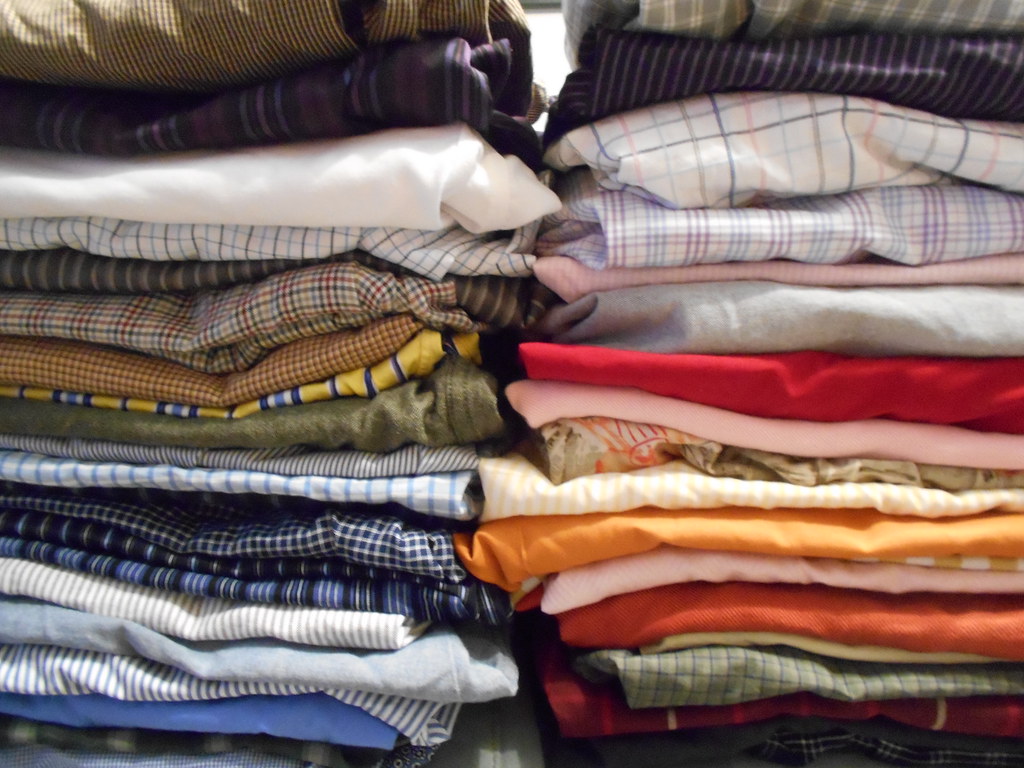
In brief:
- Cotton shrinks by 3 to 5% per hot tumble-drying cycle, compared to near-zero shrinkage when air-dried.
- The recommended washing temperature is between 30 and 40°C to preserve color and fiber structure.
- An iron can handle the “cotton” setting (150 to 200°C depending on the model), a high temperature that makes ironing easier than linen or silk.
- Storing shirts on a hanger, rather than folded in a drawer, prevents permanent creases at the shoulders and chest.
Why care determines a shirt’s lifespan
A well cared-for cotton shirt lasts several years of regular wear, while poor care (washing too hot, aggressive drying, badly calibrated ironing) can visibly damage it within months. Cotton is a sturdy natural fiber, but sensitive to three specific factors: water temperature, drying heat, and repeated exposure to machine-wash friction.
What damages a cotton shirt fastest
- Washing at high temperature (60°C and above), which weakens the fibers and promotes shrinkage
- High-heat tumble drying, the main cause of cotton shrinkage
- Overly aggressive spin cycles, which set deep creases that are harder to iron out afterward
Washing: the right temperature and cycle
The right temperature
For a classic cotton shirt, a temperature of 30 to 40°C is enough in the vast majority of cases and preserves both color and fiber structure. A higher temperature (60°C) should be reserved for heavily stained white shirts, keeping in mind that it accelerates fabric wear over time.
The cycle and products
A delicate or “shirt” cycle (when the machine offers it) limits the mechanical friction responsible for premature fiber wear and color fading. On the product side, liquid detergent rather than powder reduces the risk of visible whitish residue on dark fabrics, particularly around the collar.
Drying: the real cause of shrinkage
Drying is the most decisive factor for a cotton shirt’s longevity, even more so than washing.
Why tumble drying shrinks cotton
Cotton fiber contracts under the combined effect of heat and the drum’s mechanical motion. A high-heat tumble dryer can shrink a cotton shirt by 3 to 5% per cycle, a cumulative effect that, repeated over several washes, eventually makes the shirt visibly smaller and the collar tighter.
The recommended method
Air drying, on a hanger rather than flat, keeps shrinkage close to zero and lets the fabric’s natural weight smooth out some of the creases even before ironing. This is the preferred method for quality shirts.
Drying method comparison table
| Method | Estimated shrinkage | Effect on wrinkling | Duration |
|---|---|---|---|
| High-heat tumble dry | 3 to 5% per cycle | Heavy wrinkling | Fast (30-45 min) |
| Low-heat tumble dry | 1 to 2% per cycle | Moderate wrinkling | Medium (45-60 min) |
| Air dry on hanger | Near zero | Low, fabric smooths naturally | Long (several hours) |
| Air dry flat | Near zero | Medium, risk of distortion if laid badly | Long |
Ironing: temperature and technique
The right iron temperature
Cotton tolerates a relatively high iron temperature, generally corresponding to the “cotton” setting on most irons (between 150 and 200°C depending on the model). It is one of the easiest fabrics to iron, unlike linen, which often needs a more moderate temperature combined with more steam to avoid shining the fabric.
Some shirts make this step largely unnecessary: the non-iron treatment is fixed onto the fibre and makes the shirt recover its shape as it dries. The criteria that separate two treated models are set out in our guide to the non-iron shirt.
The technique for a crisp result
- Iron the shirt while still slightly damp, straight out of the wash or lightly sprayed, for more effective de-creasing with less effort
- Start with the collar and cuffs, the stiffest parts, before moving to the sleeves and then the back and front
- Iron sleeves flat, seam at the edge, to avoid setting an unsightly double crease
- Finish with the body of the shirt, gently pulling the fabric taut to remove remaining creases
Storage: the often overlooked step
Poor storage can undo the benefits of careful washing and ironing within a few weeks.
Hanger rather than folding
Storing shirts on a hanger, ideally one with shaped shoulders rather than plain wire, avoids the permanent creases at the shoulders and chest caused by prolonged folding in a drawer. This matters particularly for shirts worn in a professional context, where a crisp look is expected from the start of the day.
What a textile durability study points out
“The average lifespan of a natural fiber garment depends more on care conditions (washing temperature, drying method) than on the fabric’s intrinsic quality at purchase.” Source: ADEME, textile lifespan study, 2022
This directly ties back to care habits: a high-end cotton poplin shirt poorly cared for will wear out faster than a standard shirt properly washed and dried.
Special cases: linen, mandarin collar and stubborn stains
For a linen or linen-cotton blend shirt, care differs slightly: our linen or cotton guide covers the necessary adjustments, particularly regarding ironing temperature and required moisture.
For a mandarin collar shirt, the collar’s simple structure (a single layer without points) requires particular attention at the base fold to avoid it breaking under the iron: see our mandarin collar guide.
For a shirt worn during a long event like a wedding, preparation the night before (washing, ironing, hanger storage) directly determines the final result: our article on what shirt to wear for a men’s wedding covers this preparation.
For stubborn stains (sweat, yellowed collar), local pre-treatment before the machine wash, with a stain remover suited to cotton, remains more effective than raising the washing temperature, which weakens the fiber without guaranteeing a better result.
Find these tips applied directly on the men’s shirts collection.
A yellowed collar is spotted the night before an important meeting, not on the morning itself: our guide to the job interview shirt covers what to do the night before.
Frequently asked questions
How do you care for a cotton shirt so it lasts?
Wash at 30-40°C on a delicate cycle, never tumble dry (cotton shrinks by 3 to 5% per hot drying cycle), iron while still slightly damp to reduce effort and the risk of scorching, and store on a hanger rather than folded to avoid permanent creases. These four habits significantly extend a cotton shirt’s lifespan.
What temperature should you use to iron a cotton shirt?
Cotton tolerates a high iron temperature, generally the “cotton” setting (150-200°C depending on the iron), which makes it an easy fabric to iron. It is best to iron the shirt while still slightly damp, straight out of the wash or lightly sprayed, for a crisp result with less effort.
Why does a cotton shirt yellow over time?
Yellowing usually comes from a build-up of sweat, deodorant and poorly rinsed detergent residue around the collar and underarms, combined with natural fiber oxidation from light exposure. Regular washing at the right temperature and a full rinse cycle limit this effect.
Can a cotton shirt go in the tumble dryer?
It is not recommended if you want to preserve the shirt’s size and shape: cotton can shrink by 3 to 5% per hot drying cycle. Air drying on a hanger remains the safest method.
How long does a well cared-for cotton shirt last?
A quality cotton poplin shirt, cared for following best practices (washing at 30-40°C, air drying, proper ironing), generally lasts several years of regular wear without noticeable distortion.